
In the final episode of this series: how did “otaku culture” spread overseas when it was so stigmatized at home,…
In the final episode of this series: how did “otaku culture” spread overseas when it was so stigmatized at home,…
Our last episode of 2024 is also the first episode in a series on one of Japan’s most distinctive cultural…
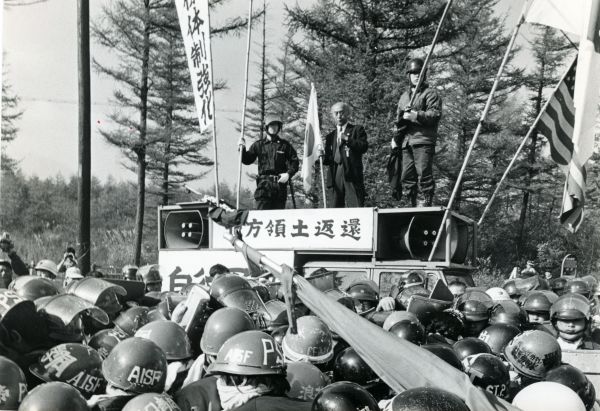
This week’s footnote: the first of two parts on the postwar extreme right. This week, we’re mostly focusing on the…
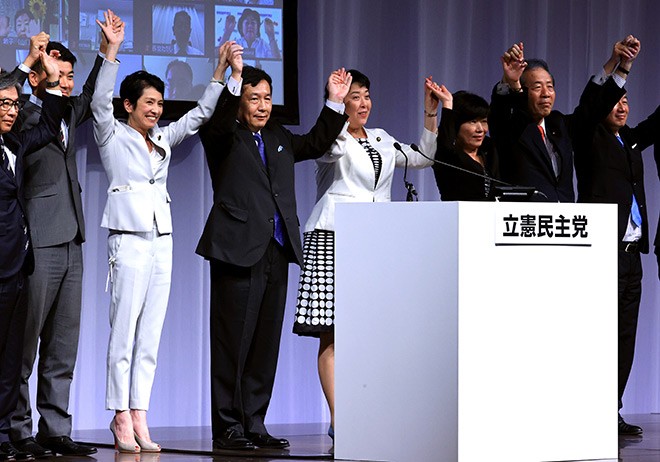
On the final episode of the Revised Introduction to Japanese History: the LDP completely fails to meet the challenge of…
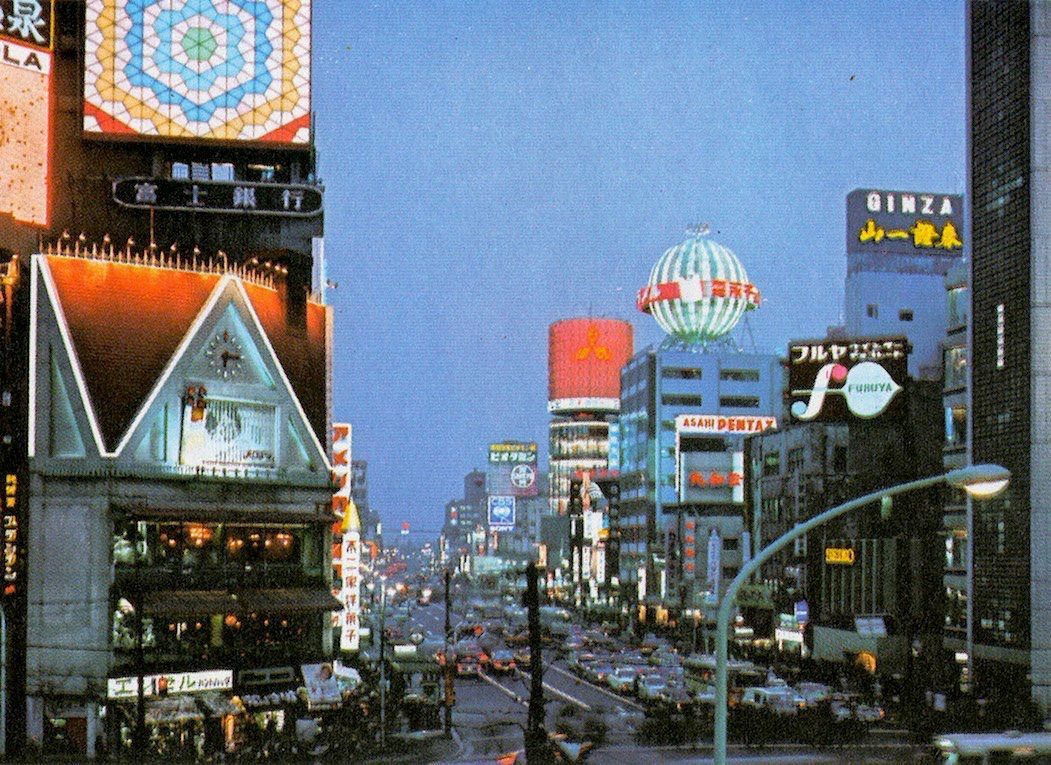
In the penultimate episode of the Revised Introduction to Japanese History: the 1980s sees the rise of Japan’s asset bubble…
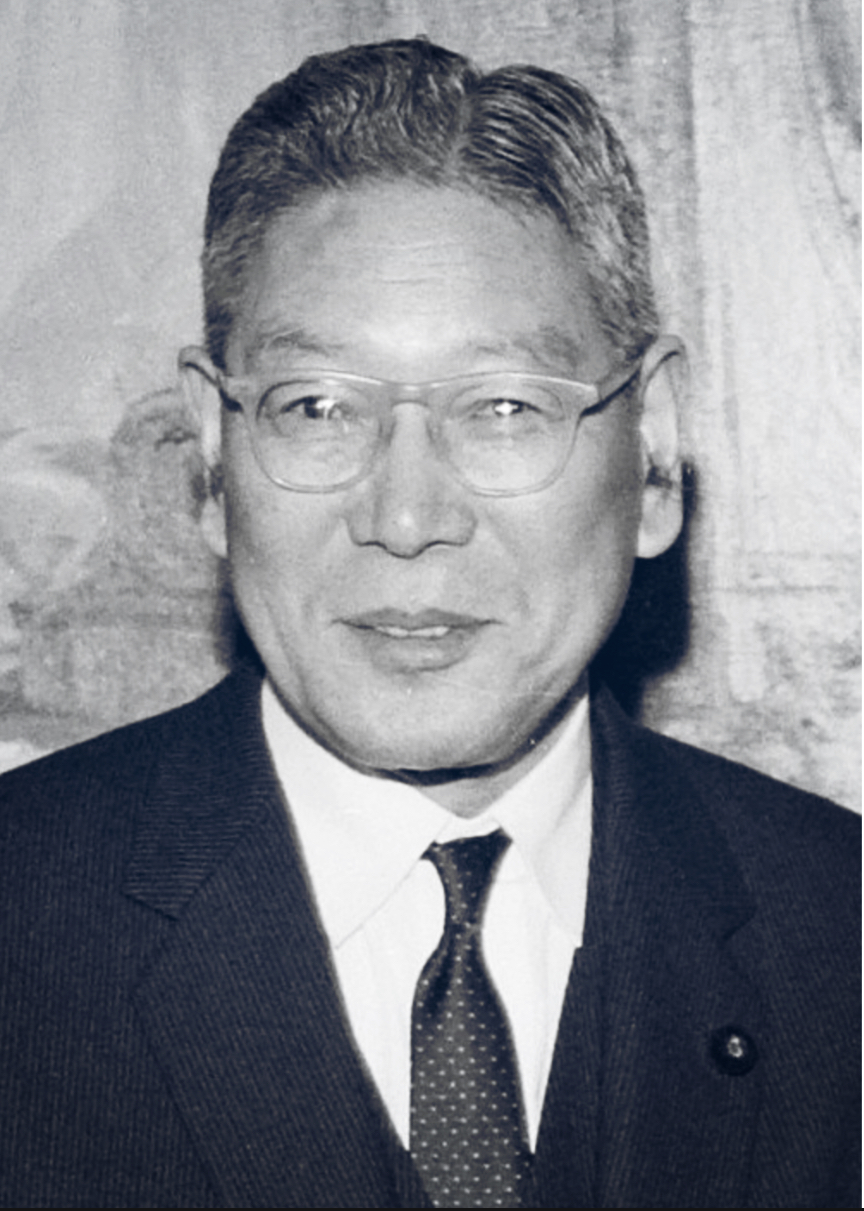
This week on the Revised Introduction to Japanese History: how did Ikeda Hayato and the LDP build a system that…
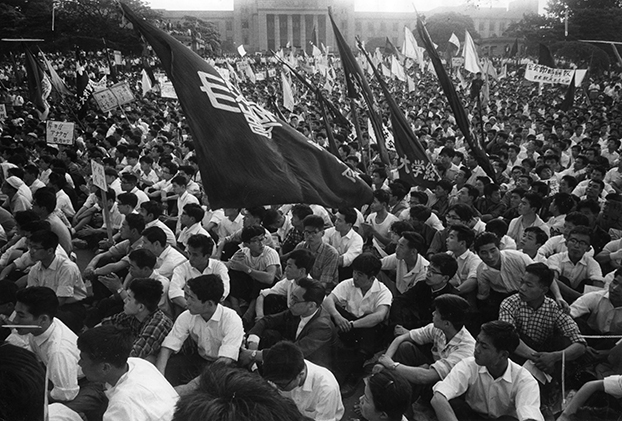
This week on the Revised Introduction to Japanese History: the Occupation comes to an end, but what happens next? This…
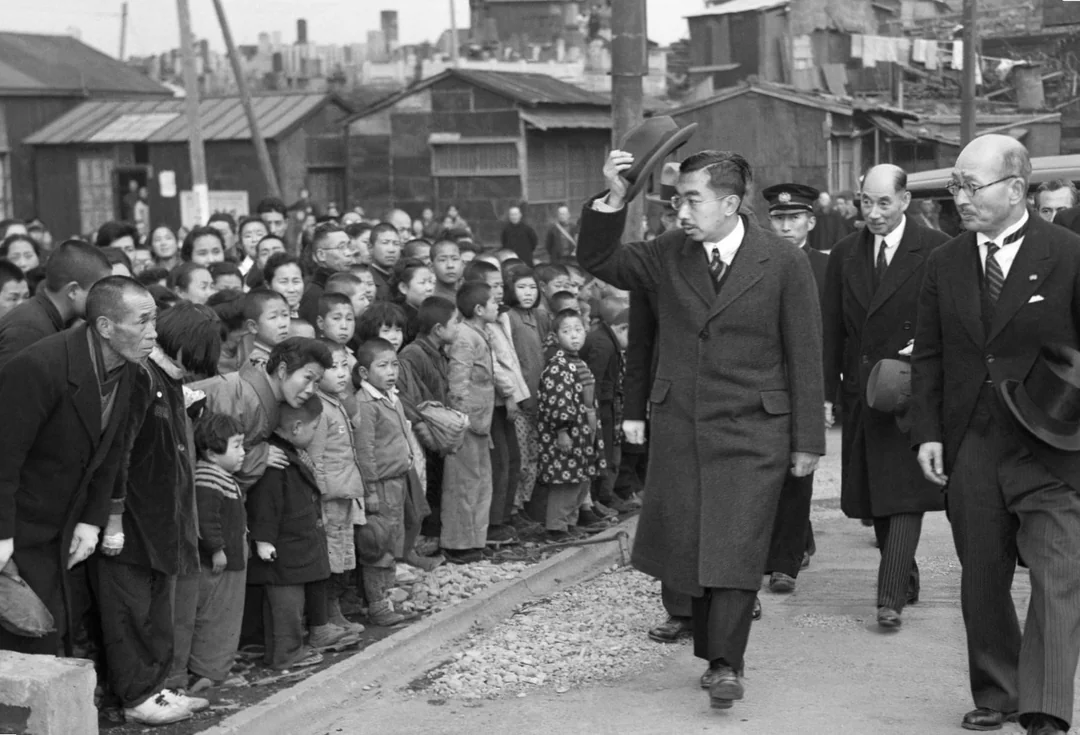
This week on the Revised Introduction to Japanese History: The US Occupation of Japan after World War II represented a…
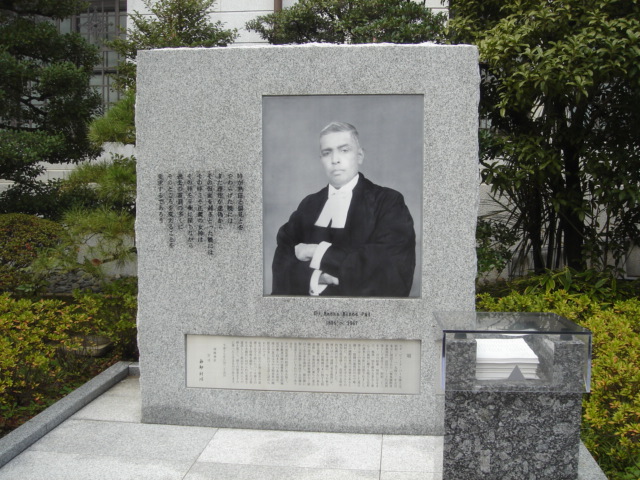
The Pal dissent becomes the Pal myth. How did an obscure document from the Tokyo Trials end up front and center in nationalist discourse in Japan today?
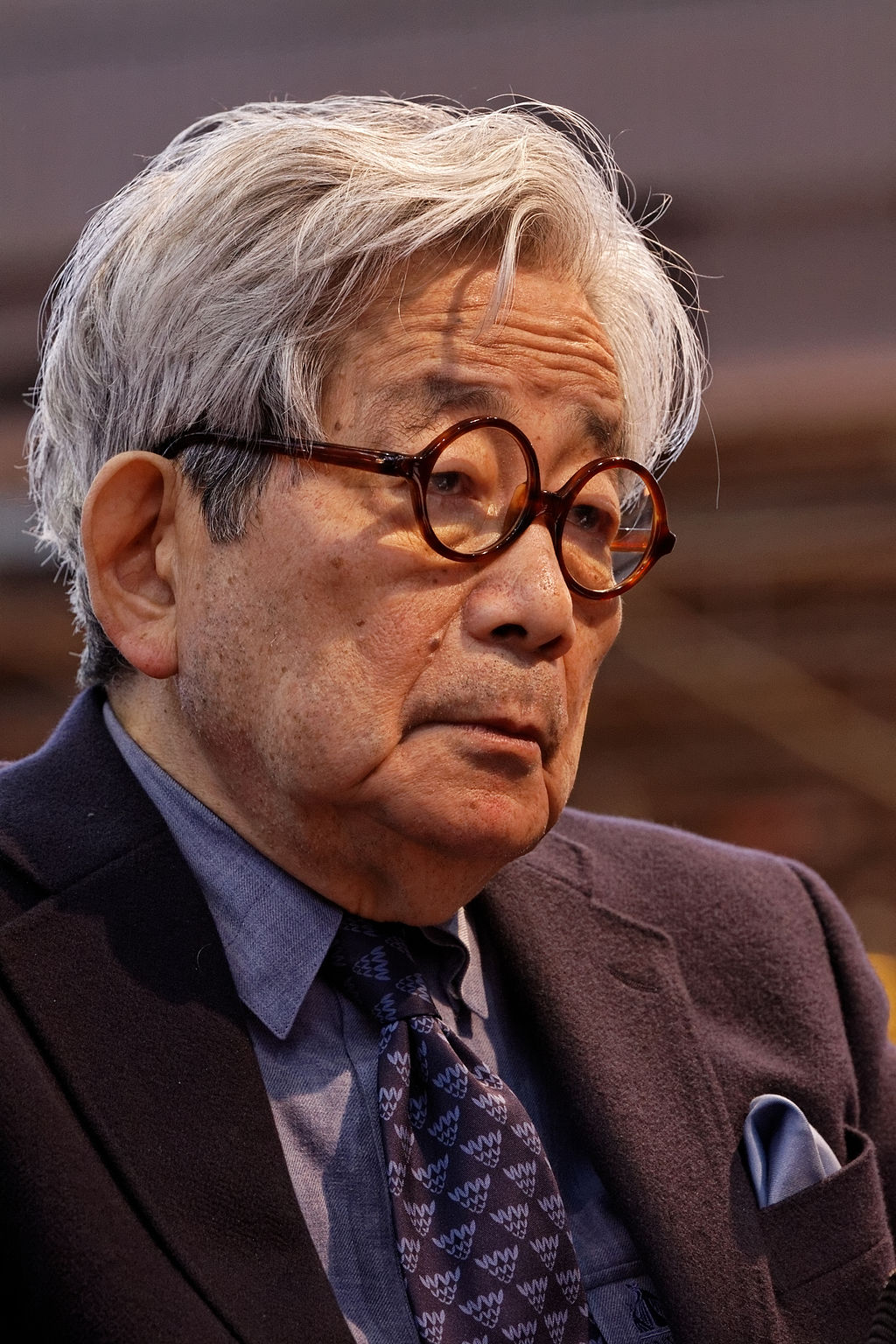
Oe Kenzaburo is about as different a writer as you can think of from Kawabata Yasunari, and yet he’s Japan’s second ever Nobel laureate in literature. What sort of concerns defined his work, and what can we learn from looking at him in conjunction with Kawabata?