Episode 626 – Flowering Fortunes, Part 1

We’re starting a new series taking a look at an oft neglected classic of Heian literature: The Eiga Monogatari, or Tale of Flowering Fortunes, which tells the history of the great Fujiwara family at the height of its power. This week: what do we know about Eiga Monogatari and how it fits into the wider literary history of classical Japan?


Sources

McCullough, Helen Craig and William H McCullough. A Tale of Flowering Fortunes, Vols 1-2: Annals of Japanese Aristocratic Life in the Heian Period

McCullough, Helen Craig. Okagami, the Great Mirror: Fujiwara no Michinaga and His Times

Images
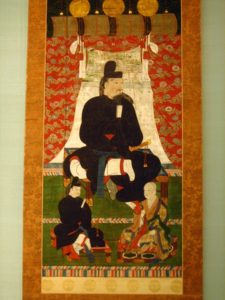
Nakatomi no Kamatari (Fujiwara no Kamatari) with his two sons. The Fujiwara would eventually become one of the most powerful and influential families in Japanese history.
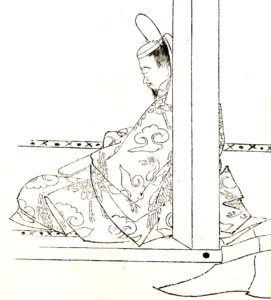
Fujiwara no Kaneie, as illustrated by the Edo era artist Kikuchi Yosai.
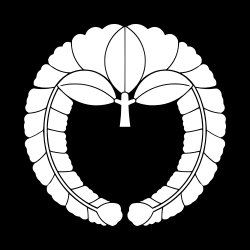
The kamon, or family emblem, of the Fujiwara family
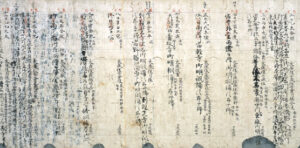
The diary of Fujiwara no Michinaga survives to us today, but as an official diary it’s not a particularly interesting source. It’s just a narrative of his official engagements, like most official diaries of the time. 
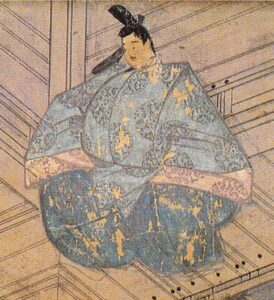
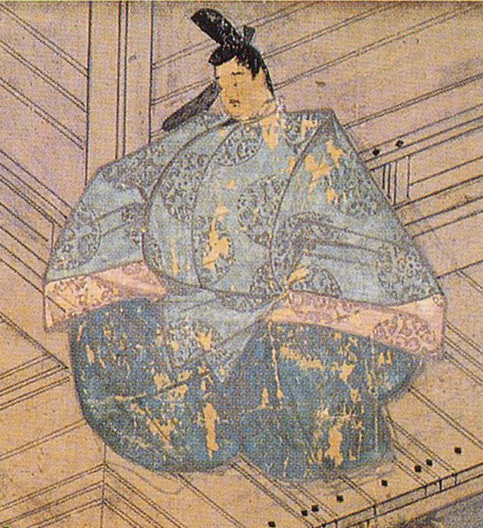
Fujiwara no Michinaga, as depicted in an illustrated version of the diary of Murasaki Shikibu from the 1200s.
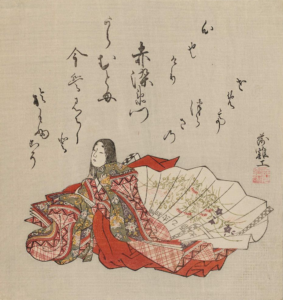
Edo period portrait of Akazome Emon with one of her poems done in calligraphy.

Leave a Reply

Your email address will not be published. Required fields are marked *