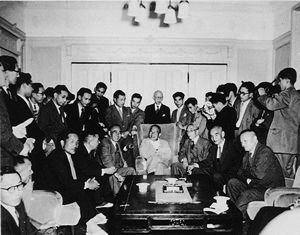
How did one man’s determination to get paid end up producing one of the best records we have of a pivotal moment in Japanese history?
One would-be hero of the American revolution wasn’t American, heroic, or particularly good at helping the revolution. His plan to burn down the British navy’s most strategic dockyards had just one fatal flaw: he wasn’t actually any good at starting fires.
Japan’s empire in Micronesia comes apart under the face of both the miscalculations of military leadership and the contradictions that had haunted it from the jump.
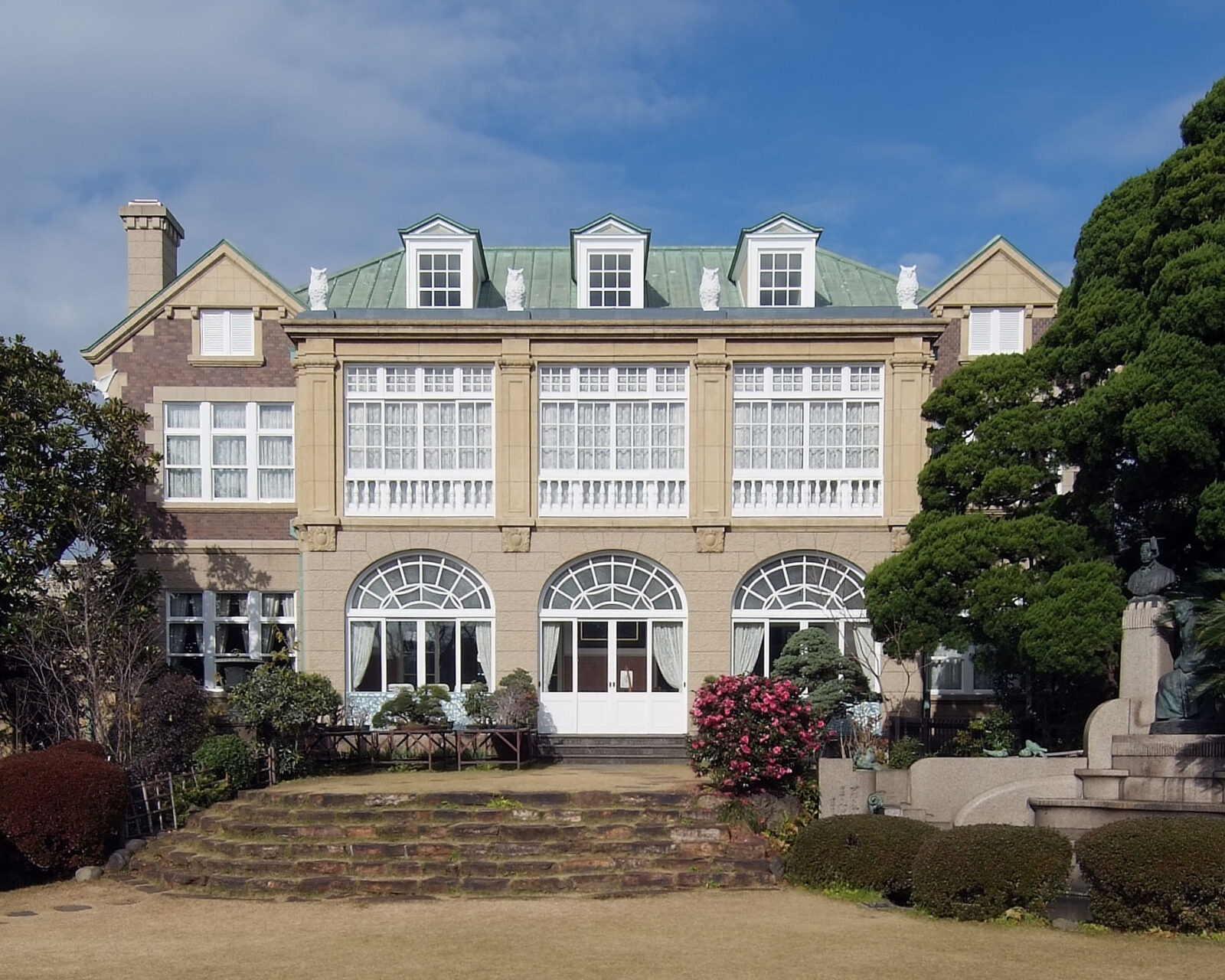
So far, we’ve talked about how Micronesia came under Japanese rule, but what was Japan’s rule over the region like?
One Soviet convict impressed his own jailors so much that he ended up completely transforming the Soviet Union’s gulag system. But how much of what we know about the life of Naftaly Frenkel is real, and how much is a right-wing attempt to link the Communist party to a conspiracy theory about greedy Jews?
When World War I began, many among the Japanese leadership were hesitant to take advantage of the opportunity to move into Micronesia. What changed their minds, and how were they able to square a colonial government with the idealistic language of the postwar League of Nations?
Japan would seize control of German Micronesia in the fall of 1914, but Japanese interest in the region goes back centuries further. This week: how did Japan get from disinterest in the nebulously defined ‘Southern Seas’ to active military operations to take control of them?
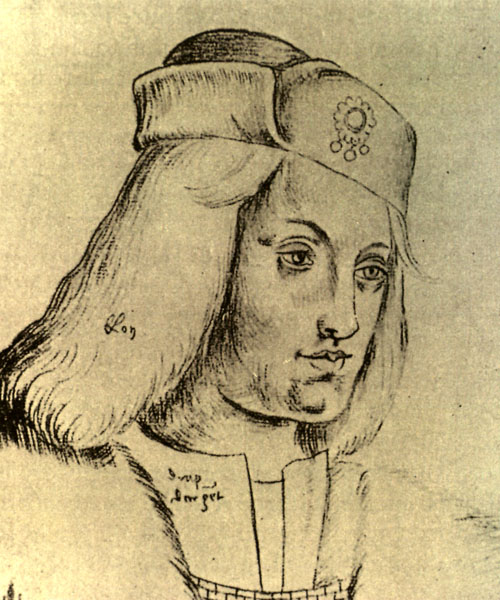
We’re exploring the history of crime fiction with Reynard, a rascal whose exploits are definitely not the sort of behavior you’d expect from a cute talking fox today. How did our vulpine antihero go from a murderous rapist to a cuddly kids’ character? Why did Walt Disney keep trying to make a movie about one of fiction’s nastiest criminals? And how long is Isaac willing to listen to descriptions of medieval butt jokes before he begs Demetria to wrap up this episode?
The bizarre story of an attempted coup in Korea that, along the way, touches on everything from Japanese liberalism to the birth of overseas empire.
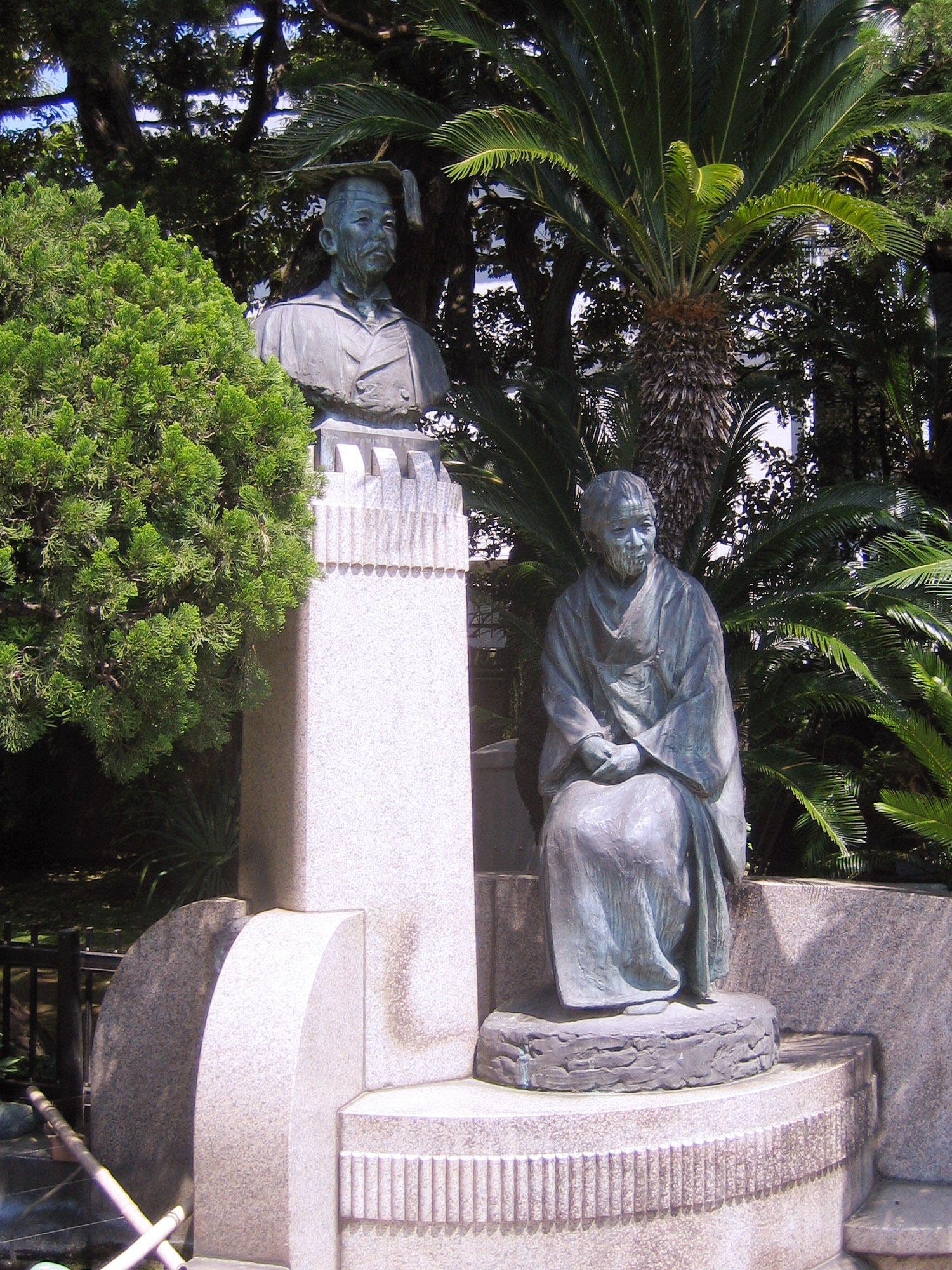
If the first translation of a text on smallpox vaccination in Japan was finished in 1820, how did it take another 29 years for the first mass vaccination campaigns to begin? The answers involve everything from a German doctor accused of being a spy to networks of physicians trying to navigate obscure bureaucracy. And they might remind you more of the last few years than you’d think.