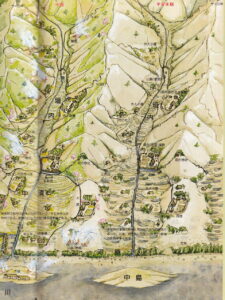
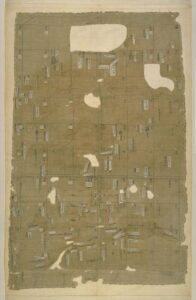
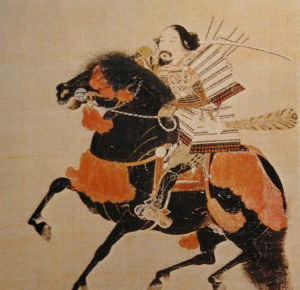
This week: how does the structure of the medieval Japanese economy compare to that of medieval Europe? What even is a shoen, and is it anything like a manor or a fief? And how do these systems help lead to the rise of the warrior class in Japan, and bring about the age of civil war in Japan? Overall, what do we think of the idea of medieval Japan as a “feudal state”?
Sources
Friday, Karl. “The Futile Paradigm: In Quest of Feudalism in Early Medieval Japan.” History Compass 8, No 2 (January 2010)
Friday, Karl, ed. Japan Emerging: Premodern History to 1850.
Duus, Peter. Feudalism in Japan
Brown, Elizabeth A.R. “The Tyranny of a Construct: Feudalism and Historians of Medieval Europe.” The American Historical Review 74, No 4 (Oct, 1974)
Images